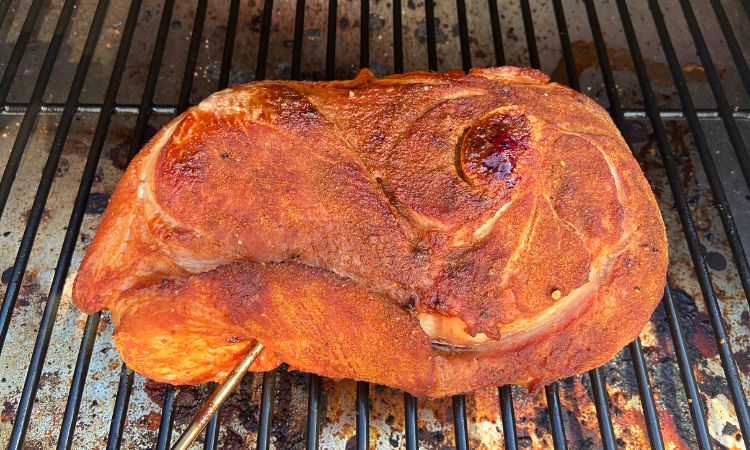
Traeger Smoked Pork Shoulder: Easy Pulled Pork for Any BBQ
There's a universally beloved dish that embodies the spirit of backyard gatherings, potlucks, and celebratory feasts: perfectly Mastering Smoked Pork Shoulder: Your Ultimate Low & Slow Guide. Imagine succulent, fall-apart tender meat, infused with a deep, smoky flavor, all nestled under a tantalizing peppery bark. While the thought of achieving such BBQ nirvana might seem daunting, especially for those new to the pitmaster craft, your Traeger grill makes mastering the art of smoked pork shoulder not just achievable, but genuinely enjoyable.
Gone are the days of constant temperature adjustments and babysitting your smoker. With a Traeger, you can transform a humble pork butt into the most incredible pulled pork your friends and family have ever tasted. This comprehensive guide will walk you through everything you need to know to create mouthwatering, easy pulled pork that will have everyone asking for your secrets. Get ready to elevate your BBQ game and become the hero of your next cookout!
Why Traeger Smoked Pork Shoulder Reigns Supreme for Easy Pulled Pork
The beauty of the Traeger grill lies in its ability to deliver consistent, wood-fired flavor with remarkable ease. When it comes to cooking a large cut like a smoked pork shoulder, this consistency is a game-changer. Here’s why a Traeger makes the process so much more approachable and rewarding:
- Effortless Temperature Control: Unlike traditional smokers that demand constant attention, a Traeger maintains your desired temperature with impressive precision. Simply set it and let the wood pellets do their magic, creating a stable cooking environment for hours. This "set-it-and-forget-it" functionality is crucial for the low and slow method required for tender pulled pork.
- Authentic Wood-Fired Flavor: Traeger grills burn hardwood pellets, which impart a distinct, clean smoke flavor that penetrates the meat deeply. For smoked pork shoulder, this means a rich, savory profile that can't be replicated with gas or charcoal alone. Different wood pellets (hickory, apple, pecan, cherry) offer subtle variations, allowing you to customize your smoke profile.
- Superior Moisture Retention: The indirect heat and sealed cooking chamber of a Traeger help to lock in moisture, preventing the meat from drying out over the long cooking period. This contributes significantly to the incredibly juicy texture of the finished pulled pork.
- Consistent Results, Every Time: With less variability in temperature and smoke, you're more likely to achieve that coveted bark and tender, shreddable meat consistently. This builds confidence for aspiring pitmasters and ensures delicious outcomes for seasoned pros.
By harnessing the power of your Traeger, you’re not just cooking; you’re crafting an experience. The mouthwatering aroma alone will draw a crowd, and the taste will leave a lasting impression.
Essential Gear and Prep for Your Smoked Pork Shoulder Journey
While the Traeger does much of the heavy lifting, a few key pieces of equipment and thoughtful preparation steps will ensure your smoked pork shoulder turns out perfect every time.
Choosing the Right Cut: Pork Butt is Your Best Friend
When you hear "pork shoulder," what you're actually looking for in the butcher shop for pulled pork is often labeled as a pork butt or Boston butt. Despite the name, it comes from the upper part of the shoulder, not the rear of the animal. This cut is ideal for smoking because it has a perfect balance of intramuscular fat and connective tissue. Over several hours of low and slow cooking, this fat renders, and the collagen breaks down into gelatin, resulting in that incredibly moist, melt-in-your-mouth texture synonymous with pulled pork.
The Indispensable Internal Thermometer
This is arguably the most critical tool beyond your Traeger itself. When smoking a large cut like a smoked pork shoulder, cooking time is merely a guideline. The true indicator of doneness is the internal temperature of the meat. Investing in a reliable leave-in probe thermometer that continually monitors the pork's temperature is a game-changer. You don't need to break the bank; many quality options are available for a reasonable price. This tool allows you to track progress without opening the smoker, maintaining consistent heat and smoke.
Crafting Your Flavor Profile: The Dry Rub
A good dry rub is the foundation of flavor for your smoked pork shoulder. While countless commercial rubs are available, creating your own allows for complete customization. A basic rub typically includes salt, pepper, paprika, garlic powder, onion powder, and a touch of brown sugar for caramelization. Apply the rub generously to all surfaces of the pork butt, gently pressing it in. For best results, apply the rub 12-24 hours before smoking and let the pork rest, uncovered, in the refrigerator. This allows the flavors to penetrate and helps to create that beautiful, crusty "bark" during the smoke.
The Low & Slow Path to Perfect Pulled Pork
Patience is not just a virtue in BBQ; it's a non-negotiable requirement. Smoking a smoked pork shoulder is a marathon, not a sprint. Embrace the low and slow process, and your reward will be unparalleled.
Setting Your Traeger for Success
Begin by preheating your Traeger to your desired smoking temperature, typically between 225°F and 275°F. Many pitmasters opt for 225°F for maximum smoke penetration and a longer cook, while others might go up to 275°F to expedite the process slightly. Ensure your hopper is full of your preferred wood pellets (hickory and apple are classic choices for pork). Once the grill reaches temperature and is producing steady, clean smoke, place your seasoned pork butt directly on the grates, inserting your probe thermometer into the thickest part of the meat, avoiding the bone.
Navigating "The Stall"
Around 150-165°F internal temperature, you'll likely encounter a phenomenon known as "the stall." This is where the meat's temperature rise dramatically slows, sometimes for several hours. Don't panic! This is completely normal and a natural part of the smoking process. It occurs due to evaporative cooling (moisture evaporating from the surface of the meat) and the breakdown of tough collagen fibers into gelatin. The key here is Beat The Stall: Secrets For Perfectly Juicy Smoked Pork Shoulder. Trust your thermometer, keep the Traeger temperature consistent, and resist the urge to crank up the heat. For a deeper dive into this fascinating BBQ phenomenon and strategies to power through it, check out our guide on Beat The Stall: Secrets For Perfectly Juicy Smoked Pork Shoulder.
The Wrap (or Texas Crutch) for Moisture and Speed
While some purists smoke unwrapped from start to finish, many pitmasters – especially those using a Traeger – prefer to wrap the pork butt during the stall. Once the internal temperature reaches that 150-165°F range and the stall sets in, carefully remove the pork from the smoker. Wrap it tightly in heavy-duty aluminum foil or untreated butcher paper. You can add a splash of apple cider vinegar, apple juice, or even a pat of butter inside the wrap for extra moisture. Return the wrapped pork to the Traeger. The wrap helps to push through the stall quicker by preventing evaporative cooling and also locks in precious moisture, contributing to an incredibly juicy final product.
Finishing Strong: Rest, Pull, and Serve Your Masterpiece
You're in the home stretch! The final steps are crucial for transforming your beautifully smoked pork butt into glorious pulled pork.
Reaching the Finish Line: Temperature and Tenderness
Continue smoking the wrapped pork until it reaches an internal temperature of 200-205°F. More importantly than the exact temperature, the meat should feel incredibly tender when probed. An easy way to test this is to insert your probe thermometer; it should slide in with very little resistance, feeling like "butter." This signifies that the collagen has fully broken down, making the meat ready to shred.
The Critical Rest: Don't Skip This Step!
Once your smoked pork shoulder hits the perfect temperature and tenderness, remove it from the Traeger, still wrapped. Place it in an insulated cooler (without ice) and let it rest for a minimum of 1-2 hours, though 3-4 hours is even better. This resting period allows the muscle fibers to relax and reabsorb the juices, resulting in a much more succulent and flavorful pulled pork. Skipping this step can lead to dry meat, as all the delicious juices will run out immediately upon shredding.
The Art of Pulling
After resting, carefully unwrap the pork butt. The bone should pull out easily, if present. Using bear claws, two forks, or even just your hands (wearing heat-resistant gloves), begin to shred the meat. It should literally fall apart. Discard any large pieces of rendered fat or tough connective tissue that didn't break down. You can mix in some of the flavorful drippings from the foil wrap to keep the pulled pork moist and enhance its taste. At this point, you can also add your favorite BBQ sauce if desired, or serve it on the side.
Serving Suggestions and Beyond
The versatility of Traeger smoked pork shoulder is one of its greatest assets. Classic pulled pork sandwiches on soft buns with coleslaw are always a hit. But don't stop there! Use your pulled pork to top nachos, mac and cheese, baked potatoes, or create delicious tacos. It also freezes beautifully, making it perfect for meal prep or feeding a crowd for future gatherings. Simply portion it out into freezer-safe bags, and you'll have instant gourmet meals at your fingertips.
Mastering smoked pork shoulder on your Traeger is a rewarding culinary journey. By understanding the principles of low and slow cooking, appreciating the role of temperature, and embracing the nuances of the smoking process, you can consistently produce pitmaster-quality pulled pork right in your backyard. So fire up your Traeger, gather your ingredients, and get ready to create a dish that will become a staple at all your BBQ events. Happy smoking!
