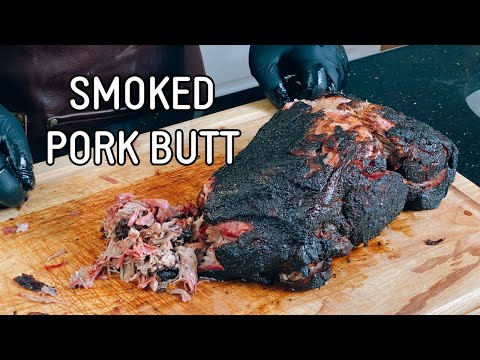
Beat The Stall: Secrets For Perfectly Juicy Smoked Pork Shoulder
There are few culinary experiences as satisfying as sinking your teeth into a perfectly cooked, melt-in-your-mouth smoked pork shoulder. This barbecue staple, also known as pork butt, is revered for its rich flavor, incredible tenderness, and versatility, making it the star of countless backyard gatherings and potlucks. The journey to achieving this barbecue nirvana, however, often presents a perplexing challenge known as "the stall." If you've ever watched your smoker's internal temperature stubbornly refuse to budge for hours, you've encountered this pitmaster's rite of passage.
But fear not! Mastering the art of smoking pork shoulder is not about magic, but about understanding the science and employing proven techniques. This comprehensive guide will reveal the secrets to navigating the infamous stall, ensuring your smoked pork shoulder emerges consistently juicy, tender, and bursting with smoky goodness, transforming you into a home barbecue legend.
The Irresistible Allure of Smoked Pork Shoulder
Why is smoked pork shoulder such a beloved dish? Beyond its savory aroma and succulent texture, it's a fantastic crowd-pleaser that yields an abundance of meat for sandwiches, tacos, nachos, and even freezing for future meals. The magic happens through a low-and-slow cooking process that breaks down tough connective tissues and fat, rendering them into a gelatinous symphony of flavor. This method also allows for the development of a deeply flavorful, peppery bark on the exterior and a beautiful smoke ring just beneath the surface—hallmarks of a truly well-smoked cut.
While the prospect of smoking a large cut of meat might seem daunting, most of the process is hands-off. The key is patience and an understanding of what's happening inside your smoker. Forget about strict timings; the true pitmaster relies on internal temperature, not the clock. A quality digital thermometer is your most crucial tool, providing real-time insights into your meat's progress and guiding you through the cook.
Navigating the Stall: Understanding the Pitmaster's Challenge
Every long smoke, particularly with larger, tougher cuts like brisket and smoked pork shoulder, inevitably leads to "the stall." This is the period during cooking when the internal temperature of your meat plateaus, refusing to rise despite your smoker maintaining a consistent heat. It can be frustrating, making you question your setup, your meat, and your very sanity.
So, what exactly causes the stall?
- Evaporative Cooling: As the pork shoulder cooks, moisture within the meat evaporates from the surface. This evaporation has a cooling effect, similar to how sweat cools your skin. This cooling counteracts the heat from your smoker, preventing the internal temperature from climbing.
- Collagen Breakdown: Simultaneously, the meat's tough collagen begins to break down into gelatin. While this process is essential for tenderness, it's energy-intensive and also contributes to the stall.
The stall typically occurs when the internal temperature of the pork shoulder reaches between 150°F and 165°F (65°C to 74°C). It can last for several hours, sometimes up to six or seven, depending on the size and type of meat, ambient temperature, humidity, and the consistency of your smoker's heat. The most important thing to remember is that the stall is normal. It's a natural part of the smoking process and not a sign that you're doing anything wrong. The worst thing you can do is panic and drastically increase your smoker's temperature, which can dry out the meat and ruin your bark.
Strategies for a Quicker and Juicier Finish (Beating the Stall)
While the stall is inevitable, you don't have to surrender to its lengthy demands. Pitmasters have developed several effective strategies to manage it, ensuring a moist and delicious end product.
The "Texas Crutch" (Wrapping Your Pork Shoulder)
One of the most popular and effective methods for overcoming the stall is wrapping the meat, often referred to as the "Texas Crutch."
- Why it Works: Wrapping the pork shoulder tightly in foil or butcher paper creates a humid microclimate around the meat. This traps moisture, preventing further evaporative cooling, which in turn allows the internal temperature to rise more rapidly, effectively pushing through the stall. It also keeps your pork incredibly juicy.
- When to Wrap: The ideal time to wrap is usually after the bark has set and the internal temperature reaches the lower end of the stall range, around 150-165°F (65-74°C). Wrapping too early can prevent bark formation, while wrapping too late simply prolongs the stall.
- Choosing Your Wrapper:
- Aluminum Foil: Excellent for trapping moisture, leading to a very juicy product. It's readily available and easy to use. The downside is that it can soften the bark due to the high humidity.
- Pink Butcher Paper: This is a favorite among many pitmasters. It's porous, allowing some moisture to escape, which helps preserve the bark better than foil while still accelerating the cook and retaining internal juiciness.
Some purists argue against wrapping, preferring to let the meat cook "naked" the entire time. While this can produce an incredibly crunchy bark, it significantly extends the cooking time and carries a higher risk of drying out the meat, especially for beginners. For a perfectly juicy smoked pork shoulder, wrapping is a highly recommended technique.
Maintaining Consistent Smoker Temperature
While not a direct method to *beat* the stall, maintaining a stable and consistent smoker temperature (typically between 225-275°F / 107-135°C) is crucial for efficient cooking and helps the meat move through the stall naturally. Wild temperature fluctuations can prolong the stall or even stall the meat again.
The Critical Resting Period
Even after pushing through the stall and reaching your target internal temperature, your journey isn't over. The resting period is just as vital as the cooking itself. Once your pork shoulder hits its target temperature (typically 195-205°F / 90-96°C for pull-apart tenderness), remove it from the smoker and let it rest, still wrapped, in a cooler or an insulated container for at least 1-2 hours, or even longer. This allows the muscle fibers to relax and reabsorb the juices, ensuring an incredibly moist and tender result. Skipping this step is a recipe for dry, tough pork.
From Smoker to Plate: Achieving Ultimate Tenderness and Flavor
With the stall conquered and your pork rested, the final steps are pure gratification. Aim for a target internal temperature of 195-205°F (90-96°C). You should be able to probe the meat with minimal resistance, like pushing a hot knife through butter. If it's still tight, let it cook a little longer.
Once rested, it's time to shred! The meat should practically fall apart with gentle persuasion. Using bear claws or just two forks, shred the pork into succulent strands. You can then mix it with some of its own juices or a favorite barbecue sauce. The versatility of perfectly smoked pork shoulder is boundless: piled high on brioche buns, tucked into tacos with fresh salsa, topping baked potatoes, or even mixed into a creamy mac and cheese. And don't forget that any leftovers freeze beautifully for quick meals down the line.
Pro Tip: To enhance the bark and keep the meat moist during the unwrapped phase, consider spritzing your pork shoulder every hour or so with a mixture of apple cider vinegar, apple juice, or water. This helps maintain surface moisture and aids in smoke absorption.
Essential Tools for Smoked Pork Shoulder Success
To embark on your smoked pork shoulder adventure with confidence, a few key tools are invaluable:
- Quality Digital Thermometer: A dual-probe thermometer (one for ambient smoker temperature, one for internal meat temperature) is non-negotiable. An instant-read thermometer is also handy for quick checks. You don't need to break the bank; many excellent options are available for the cost of a large pizza.
- Reliable Smoker or Grill: Whether you use a traditional offset smoker, a pellet grill like a Traeger, an electric smoker, or a kettle grill setup for indirect heat, ensure it can maintain consistent low temperatures.
- Heavy-Duty Foil or Butcher Paper: Essential for the Texas Crutch.
- Spritz Bottle: For keeping the surface moist and enhancing bark development.
- Heat-Resistant Gloves & Meat Claws: For handling the hot meat and making shredding a breeze.
Conclusion
The journey to a perfectly juicy smoked pork shoulder is one of patience, understanding, and a few smart techniques. While the stall can be a momentary test of your resolve, armed with knowledge of evaporative cooling and the power of the Texas Crutch, you can navigate it with ease. Remember, rely on your thermometer, respect the rest, and most importantly, enjoy the process. The reward is an incredibly flavorful, fall-apart tender, and exquisitely juicy smoked pork shoulder that will impress everyone at your table and solidify your reputation as a barbecue master.
